Knock-Off or Nod of Respect? The Underground Merch Economy Feeding Your City's Music Scene
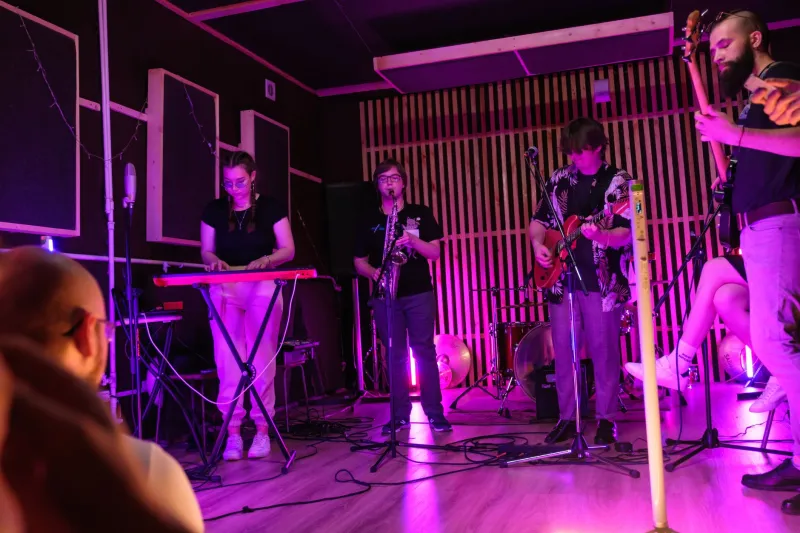
Walk into any local show on a Friday night and you'll clock the merch table within about thirty seconds. Official shirts, maybe a few stickers, a vinyl or two if the artist is doing well enough. Standard stuff. But flip your attention to the crowd itself — the people already inside — and you'll start noticing something else. Tees with slightly different fonts. Hoodies with artwork the band never officially released. A tote bag with a design that looks almost right, but not quite.
That's not coincidence. That's a whole economy.
The Table Nobody's Talking About
The bootleg merch game in American cities isn't new — it's older than stadium rock and as American as a $20 knockoff jersey outside a playoff game. What is new is how sophisticated, widespread, and frankly profitable it's become at the local and independent music level. We're not talking about counterfeit Supreme drops or fake band tees outside an arena. We're talking about a sprawling, semi-organized network of fan designers, small-batch screen printers, Etsy shop operators, and Instagram boutiques turning out unofficial merchandise for local artists — and in some cases, moving more units than the official channels ever did.
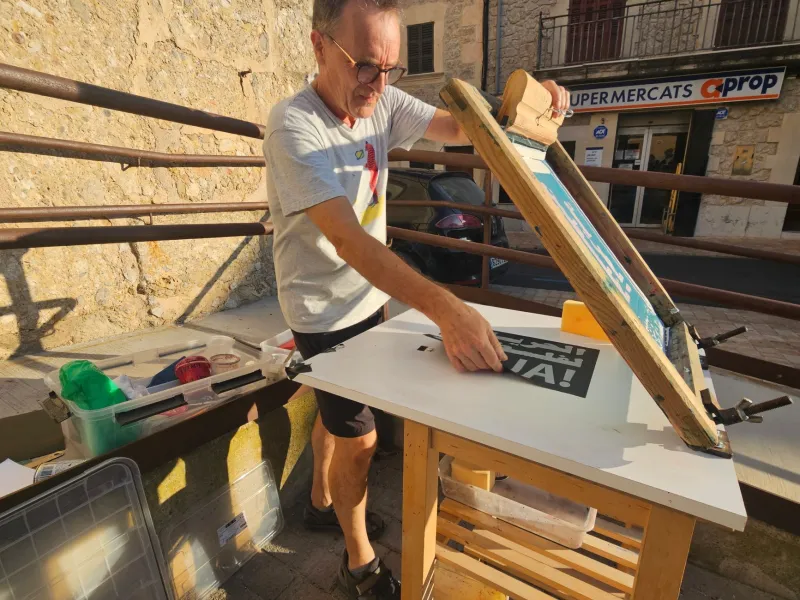
One local screen printer — who asked to stay off the record because, well, obvious reasons — told us he runs between 40 and 60 unofficial band-related orders a month. "Half of them are fans who just want something that doesn't exist yet," he said. "The other half are people who think they can flip it. Either way, I'm printing."
The economics are surprisingly clean when you break them down. A fan-run Etsy shop can undercut an official merch table by $10 to $15 per item, operate without the overhead of touring logistics, and ship nationwide without ever setting foot in a venue. Platforms like Printify and Printful have made on-demand production accessible to literally anyone with a design idea and a Wi-Fi connection. The barrier to entry is basically zero.
Why Artists Aren't Exactly Furious About It
Here's where it gets interesting. Talk to enough independent artists in your city and you'll find that the official response to bootleg merch is often... a shrug. Sometimes even a quiet smile.
"If someone's making a shirt with my name on it, that means people actually care," said one local rapper who's been performing in the city for about four years. "I'm not at the level where that's taking money out of my pocket in any real way. It's more like — free marketing."
That sentiment comes up over and over. For artists still building their audience, the idea that fans want any piece of their brand — even an unofficial one — registers more as validation than theft. The calculus changes when you're selling out 500-cap rooms and moving real merch volume, but for most independent acts grinding through 100-person shows, the bootleg economy is less a threat and more a weird kind of compliment.
There's also a practical reality at play. Producing official merch costs money — real money, upfront — before a single shirt sells. Minimum order quantities, design fees, storage, and the risk of sitting on 200 unsold hoodies after a tour that didn't pop the way you hoped. Fan-made and bootleg operations carry none of that risk. They print what sells and stop when it doesn't.
The Fan Designer Pipeline
Some of the most interesting players in this ecosystem aren't hustlers looking to make a quick buck — they're genuinely talented designers who found a lane by making things they wished existed.
Instagram and TikTok have created a direct pipeline between fan artists and the audiences who want their work. A designer posts a concept tee for a local act, it gets reshared by the artist's fanbase (sometimes by the artist themselves), and suddenly there's a waitlist. No middleman. No label approval. No official licensing conversation that never goes anywhere.
In a few documented cases, this pipeline has actually flipped into legitimate collaboration. Artists who initially ignored or tolerated fan merch eventually reached out to the designers behind it, turning a grey-market operation into an official creative partnership. The bootlegger becomes the brand partner. It's a new kind of A&R, in a way — except the talent being scouted is visual, not musical.
The Venues Are Watching Too
It's not just artists navigating this shift. Local venues that take a percentage of official merch sales — a standard arrangement in the live music world — are starting to feel the squeeze as more fans show up already wearing something they bought online before the show even started. If the transaction never happens at the merch table, the venue never sees a cut.
Some spots have quietly started cracking down, restricting outside vendors near entrances or adding language to artist contracts about unofficial merchandise. Others have leaned the other direction, treating the bootleg ecosystem as a signal of cultural heat around certain artists and using it as a booking indicator. If people are making shirts for a local act without being asked to, that act is worth paying attention to.
What It Actually Means for the Local Music Economy
Zoom out and this whole thing is really a story about what happens when the traditional structures of the music industry — label deals, official licensing, controlled merch pipelines — fail to move fast enough for the culture underneath them.
Local artists are building audiences in real time, often faster than any official infrastructure can keep up with. Fans want to participate in that momentum now, not after some brand manager approves a design six months down the road. The bootleg and fan-made merch economy is, in its own chaotic way, filling that gap.
Does it cost some artists money they should be making? Probably, at certain scales. Does it also extend the cultural reach of independent music in ways that no official campaign could budget for? Almost certainly.
Your city's music scene has always run on hustle. Turns out the merch game is no different.