From Bedroom to Mainstage: How TikTok Clout Is Rewriting the Rules for Local Artists
Not long ago, the path to becoming a headliner in your city was pretty well understood. You played the dive bars. You hustled for opening slots. You handed out flyers outside shows and hoped someone with a little pull actually listened to your demo. It took years, sometimes a decade, before your name was the one on the marquee.
That pipeline isn't dead — but it's got a serious competitor, and it lives inside a 60-second video loop.
The New Audition Room Is Your Phone Camera
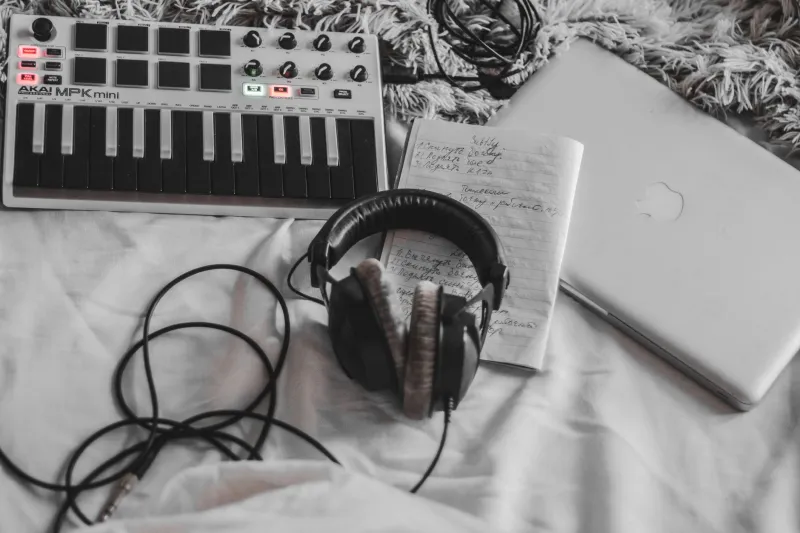
Take someone like Marcus Reyes, a 22-year-old producer out of East Atlanta who goes by the handle @lofimarcus. Eighteen months ago, he was posting short clips of himself layering beats in his apartment — lo-fi hip-hop textures, chopped R&B samples, the occasional freestyle from a friend rapping over his laptop speakers. The videos were casual, almost accidental-looking. Then one hit 2.3 million views in a week.
"I didn't even have a booking email set up," Reyes laughs. "I had to put it in my bio like two days after it blew up because people kept sliding into my DMs asking if I was available."
Within three months, he had played two sold-out club nights, a local festival afterparty, and a college homecoming event — none of which he sought out through traditional channels. The venues came to him.
This is happening across every genre and in virtually every major metro. Chicago footwork producers. Houston bedroom rappers. Portland indie-electronic kids who've never touched a club PA system. They're building audiences that venue bookers used to spend years cultivating, and they're doing it from their living rooms.
What Bookers Are Actually Paying Attention To
For the people on the other side of the booking table, the metrics have genuinely shifted. Dana Kowalski books talent for three mid-size venues in a major Midwest city. She's been doing it for over a decade and has watched the TikTok wave reshape her entire scouting process.
"I used to rely almost entirely on word of mouth and live sets," she says. "Now I'm on TikTok, Instagram Reels, YouTube Shorts — I'm watching engagement rates, comment sections, how people are reacting in real time. If an artist has 400,000 followers but their comments are dead, that tells me something. If they have 80,000 and every post has hundreds of people tagging their friends? That's who I'm calling."
Kowalski is careful to distinguish between follower counts and actual community. "Clout is cheap. Connection is what sells tickets," she says. "I've booked artists with modest online numbers who absolutely packed a 300-cap room because their audience was local and devoted. I've also taken a chance on someone with a million followers who drew 40 people. It's not a straight line."
That unpredictability is one of the defining tensions of the digital-native artist era. Going viral is a global phenomenon. Venues are local businesses. The two don't always speak the same language.
The Translation Problem
This is where things get complicated. An artist blowing up on TikTok might have fans spread across 50 states — or 50 countries. A few hundred thousand of those followers might live within driving distance of your city, but getting them to actually show up on a Tuesday night in November is a different ask entirely.
Jordan Phelps, a promoter based in Denver who specializes in electronic and hip-hop events, calls it "the conversion gap."
"Social media is incredible for awareness," he explains. "But awareness and attendance are two very different things. I've started doing more homework on where an artist's audience is actually located. Spotify has geographic listener data. Instagram shows you where your top cities are. If an artist has half a million TikTok followers but 60 percent of their Spotify listeners are in the UK, that's a tough sell for a local show."
Phelps now factors in what he calls "local density" — how concentrated an artist's fanbase is in a specific market — before committing to a booking. It's an extra layer of analysis that simply didn't exist five years ago.
The Artists Finding the Balance
Some digital-native artists are figuring out how to bridge the gap on their own terms. Simone Trask, a 25-year-old singer-songwriter from Nashville who built her following through stripped-down covers and original snippets on TikTok, was deliberate about cultivating a local presence even as her online numbers grew.
"I kept playing local shows even when I didn't have to," she says. "I'd post about them, show the crowd, make my online audience feel like they were missing something by not being in the room. It turned my followers into fans who actually wanted to experience it live."
That strategy — using the digital platform to drive urgency around physical presence — is something the savviest emerging artists are treating as intentional marketing. The bedroom is the brand. The venue is the payoff.
Is This a Bubble?
Some industry veterans are skeptical about how sustainable this model is. There's a real concern that artists who bypass the traditional grind miss out on the stage craft and live performance experience that comes from years of playing rooms of every size. Going from a ring light setup to a 500-person venue with a full sound system and a crowd that doesn't know your catalog is a jarring jump.
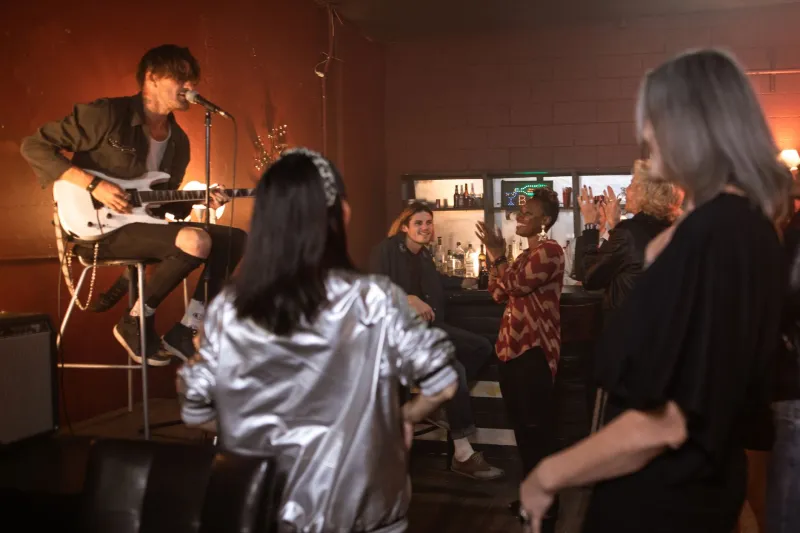
"I've seen it go sideways," Kowalski admits. "A kid with great studio presence who just freezes on stage. No setlist, no stage banter, no idea how to read a room. The online audience forgives a lot. A live crowd is less patient."
But for every cautionary tale, there's an artist who makes the leap look effortless. And the truth is, the gatekeepers of the old model weren't exactly infallible either. Plenty of talented artists grinded for years and never got their shot. The TikTok pipeline, for all its chaos, has at least widened the door.
For cities with thriving local music scenes, that might be the most exciting part of all of this. The next headliner at your favorite venue might already be in your For You Page. You just don't know it yet.