Building the Blueprint: The Indie Labels Quietly Rewriting the Rules of Music From the Ground Up
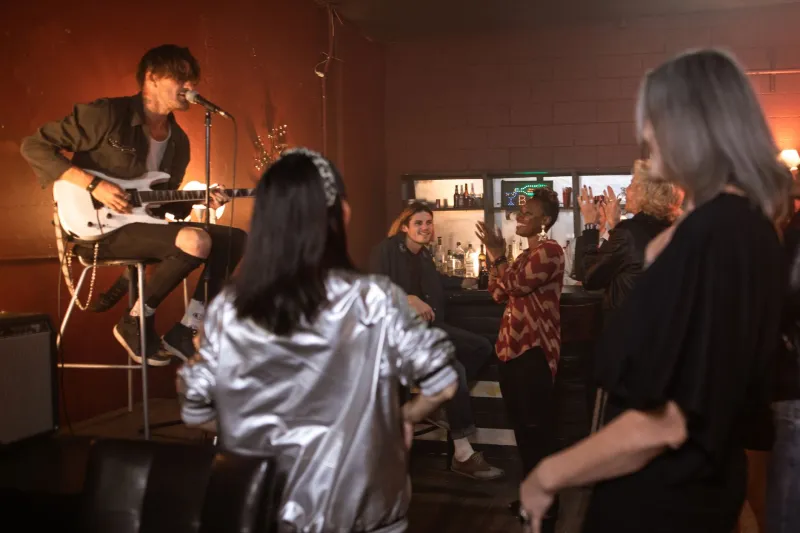
There's a moment — usually somewhere between a late-night studio session and a 200-person show at a packed local venue — when something clicks for an independent label. The artist they've been nurturing for two years just delivered a performance that stopped the room cold. Phones went up. The crowd went quiet in that specific way crowds only go quiet when they're witnessing something real. And the label head, standing in the back with a plastic cup of whatever's on draft, already knows: it's only a matter of time before everyone else catches on.
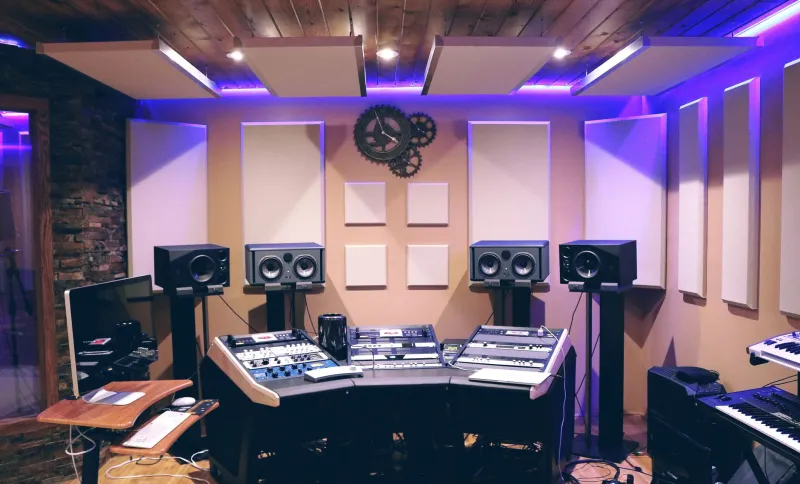
This is the world of the independent record label. Not the romanticized version from a music documentary, but the actual, unglamorous, deeply committed version happening in cities across the US right now. In warehouses converted to studios, in spare bedrooms with acoustic foam on the walls, in coffee shops where deals get hashed out over cold brew — indie labels are doing the foundational work that keeps urban music culture alive and moving forward.
The Business of Believing First
Here's the thing about major labels: they're in the business of certainty. They want data, streaming numbers, proven audiences, and a clear path to return on investment before they sign a check. That's not a criticism — it's just math at scale.
Independent labels operate on a completely different currency: instinct.
"We signed our first artist off a voice memo," says one label founder operating out of a mid-sized American city. "No live footage, no following, just this voice memo someone sent us. We knew in about forty-five seconds."
That willingness to act on gut feeling — and absorb the risk that comes with it — is what separates the indie ecosystem from the corporate one. Independent labels aren't waiting for an artist to go viral. They're in the room before the room exists, helping shape the sound, the image, the story, and the strategy from day one.
The business model varies wildly. Some labels operate on traditional 50/50 splits with artists retaining masters. Others have moved toward licensing deals or profit-share arrangements that give artists more ownership upfront. The smartest ones have figured out how to build sustainable revenue through sync licensing — getting their artists' music placed in TV shows, commercials, and film — which generates income that doesn't depend on streaming royalties that, let's be honest, still pay fractions of pennies per play.
The Creative Philosophy: Less Formula, More Feel
Walk into a major label's A&R meeting and you're likely to hear a lot of talk about "fits" and "comps" — industry shorthand for figuring out where an artist fits on the market map and who they sound like. It's a useful framework, but it can also flatten creativity into a series of safe bets.
Independent labels tend to operate differently. The best ones aren't trying to replicate what's already working — they're trying to figure out what comes next.
Many of the most forward-thinking indie labels in US cities right now are operating at genre intersections that don't have names yet. Hip-hop producers layering in Afrobeats rhythms. R&B singers blending in indie folk arrangements. Electronic producers collaborating with jazz musicians. The result is music that sounds genuinely new, and the labels nurturing that work are building rosters that reflect the actual cultural diversity of the cities they live in.
This isn't accidental. The best indie labels are deeply embedded in their local scenes. They go to the shows, they know the promoters, they're in the group chats. When a new artist starts generating buzz at open mics or through local playlists, indie label ears are the first ones paying attention.
Why Cities Stay Culturally Relevant
There's a direct line between a thriving indie label scene and a city's cultural identity. When labels are developing artists locally, those artists perform locally. They build audiences locally. They create demand for venues, for producers, for engineers, for photographers, for visual artists — the entire ecosystem feeds itself.
Cities that have lost their independent music infrastructure — through rising real estate costs, venue closures, or the slow drain of talent to larger markets — feel it. The nightlife gets thinner. The shows get more generic. The sense that something exciting is happening right here starts to fade.
But cities where indie labels are active and healthy have a different energy. You can feel it at the shows. You can hear it on the local playlists that music supervisors in New York and LA are quietly bookmarking. You can see it in the artists who blow up nationally and still shout out their hometown label in every interview because those are the people who made the bet when nobody else would.
What the Majors Don't Want You to Know
Here's the open secret of the music industry: major labels have largely outsourced their A&R function to the independent ecosystem. They watch what indie labels develop, what gets traction, what builds genuine fandoms — and then they swoop in with a check.
Sometimes that's good for everyone involved. An artist gets resources they couldn't access independently. A label gets a payout that funds the next round of signings. The relationship works.
But sometimes it hollows out local scenes. An artist gets signed, moves to a bigger city, gets polished into something that sounds less like the thing that made them special in the first place. The local crowd that supported them from the jump feels the loss.
The indie labels navigating this tension most successfully are the ones building structures that give artists reasons to stay — meaningful ownership, long-term creative partnerships, and a genuine community rather than just a business arrangement.
The Next Wave
If you want to hear where music is going before it gets there, the answer isn't Spotify's algorithm or a major label's release schedule. It's the indie labels in your city, the ones putting out music on Bandcamp and Soundcloud, booking their artists into 300-capacity rooms, and building something that belongs to the community it came from.
The sound architects working those rooms and those studios aren't waiting for permission. They're already building the blueprint — and by the time the industry catches up, they'll be three moves ahead.
Keep your ears to the ground. The next thing is already happening.