Off the Beaten Path: The Underground Venues Keeping Your City's Heartbeat Alive
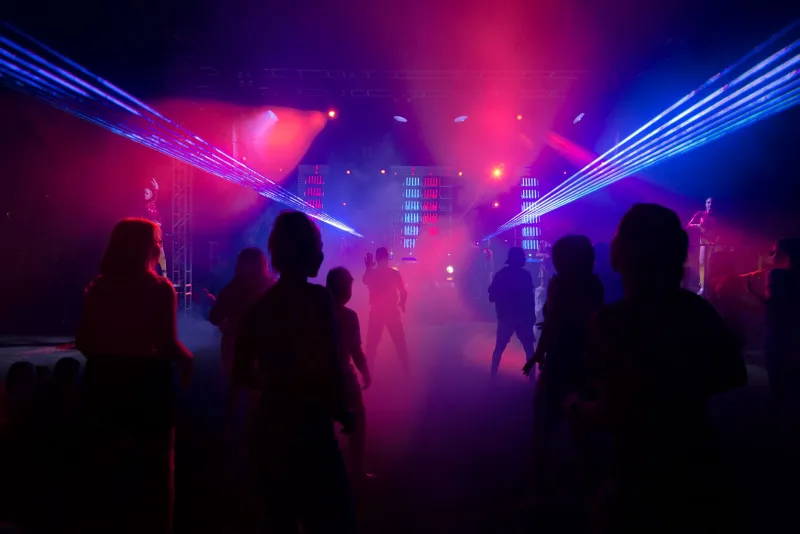
There's a version of your city that never makes it onto the tourist maps. It doesn't show up in the glossy travel guides or the algorithmic playlists curated by some out-of-town editorial team. It exists in a converted auto shop on the east side where the PA system is held together with duct tape and sheer willpower. It lives in the back room of a Vietnamese restaurant that transforms into a jazz incubator every Thursday night. It breathes through the cracks of a third-floor loft space where 60 people crowd around a singer-songwriter who, give it two years, you'll be bragging you saw first.
These are the underground venues. And right now, they're doing more for your city's cultural identity than any arena headliner ever could.
Why the Small Rooms Matter More Than You Think
It's easy to get caught up in the spectacle of big-ticket shows. The light rigs, the general admission stampedes, the $18 beers. But ask any working musician where they actually grew — where they figured out their sound, built their fanbase, and took the creative risks that defined them — and almost every single one will point to a small room. A dive bar stage. A basement with no green room. A community arts space that smelled like old carpet and ambition.
These venues aren't just launching pads. They're ecosystems. They're where local promoters learn the craft, where sound engineers develop their ears, where fans become superfans. The economic and cultural ripple effect of a thriving underground scene is real, even if it rarely gets the credit it deserves.
"People think the big venues are where the music industry lives," says one longtime local promoter who's been booking indie and alternative acts for nearly a decade. "But the truth is, the industry is downstream from what's happening in these smaller rooms. This is where taste gets made."
The Spots You Need to Put on Your Radar
The Basement Circuit
Every city has its basement circuit — those all-ages, word-of-mouth spaces that operate somewhere between officially sanctioned and gloriously informal. These shows get announced on flyers posted at record shops, through group chats, and on niche corners of social media that the algorithm hasn't fully colonized yet. If you're not plugged in, you'll miss them entirely.
The beauty of the basement show is its democracy. There's no VIP section. There's no bottle service. There's no barrier between the artist and the audience. You're standing three feet from someone who might be the next big thing, and that proximity changes everything about how the music hits you.
Keep your eyes on local record shops, community bulletin boards, and neighborhood Facebook groups (yes, people still use them) for show announcements. Better yet, introduce yourself to the regulars. The underground runs on community, and once you're in, you're in.
The Converted Spaces
Some of the most exciting music happening in the city right now is unfolding in spaces that were never designed for it. Former printing facilities, old church halls, decommissioned warehouses — these repurposed rooms have an acoustic character and a visual texture that no purpose-built venue can replicate. The ceilings are high, the walls have history, and the vibe is impossible to manufacture.
Venue owners who operate in these spaces often work without the safety net of a liquor license or a corporate backer. They run lean, they hustle hard, and they're deeply invested in the artists they platform. "We didn't open this place to get rich," laughs one warehouse venue operator who asked to remain anonymous for legal reasons we won't get into. "We opened it because we needed a place for this music to exist. The city needed it."
The Bar Back Rooms
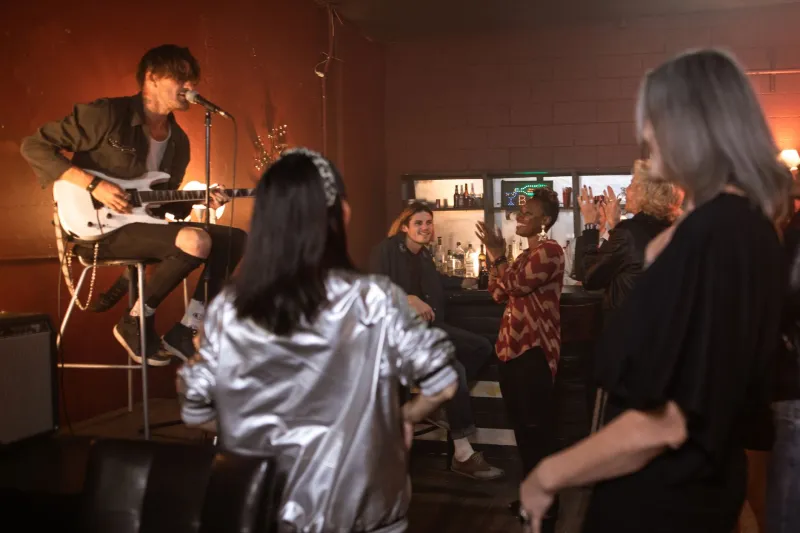
Don't sleep on the bar with a back room. All over the city, neighborhood watering holes with a modest stage tucked behind the pool table are quietly hosting some of the most adventurous bookings you'll find anywhere. Jazz trios on Monday nights. Experimental electronic sets on Tuesdays. Local hip-hop showcases on Thursdays. These aren't afterthoughts — they're labors of love from bar owners who genuinely care about music.
The cover charges are minimal (or sometimes nonexistent), the drinks are cheaper than the downtown spots, and the crowd is almost always a mix of die-hard regulars and curious newcomers. It's the kind of environment where you end up talking to the drummer on your way to the bathroom and leave with a new favorite band.
The Artists Making These Rooms Their Home
The musicians who populate the underground circuit are, by and large, not there because they have no other options. Many of them actively choose the intimacy of smaller venues over the impersonal grind of larger stages. For emerging artists especially, the underground is where creative identity gets forged.
Take the indie R&B singers playing coffee shop stages on weekends while working day jobs — they're building something real, one listener at a time. Or the punk bands who've been playing the same 100-capacity room for three years and have built a fanbase so loyal it borders on cult-like. These are the artists who will define what your city sounds like to the rest of the country, eventually. You just have to show up now.
"I played my first real show in a room that held maybe 40 people," recalls one local artist who's since graduated to mid-sized venues. "But those 40 people? I still know most of them by name. That's the foundation. You can't fake that."
The Superfans: The Unsung Heroes of the Scene
No conversation about underground venues is complete without acknowledging the people who show up every single time. The superfans. The scene regulars. The folks who've seen every local act at least twice, who tip the bartenders generously, who share the flyers without being asked, who bring their friends and make newcomers feel welcome.
These are the people who keep the lights on — literally and figuratively. Their support, both financial and social, is what allows small venues to take chances on unproven artists. They are the connective tissue of the local music ecosystem, and they deserve way more recognition than they get.
How to Find Your Scene
So how do you actually plug into all of this? A few practical moves:
- Follow local promoters on social media. They're the ones with the actual intel on what's happening and when.
- Visit your nearest independent record shop. Bulletin boards, staff recommendations, and in-store events are your gateway.
- Check neighborhood-specific event pages and apps. Platforms like Eventbrite, Bandsintown, and even Instagram's local event features surface a lot that mainstream listings miss.
- Talk to people. Seriously. The best show recommendations still come from a stranger at a bar who says, "You should check out this thing happening next Friday."
The underground music scene in this city is alive, it's growing, and it needs your presence. Not just your streaming numbers — your actual body in the room, your cover charge, your applause. Show up. The music will meet you there.