Last Call, First Bite: The After-Hours Food Spots Your City's Music Scene Swears By
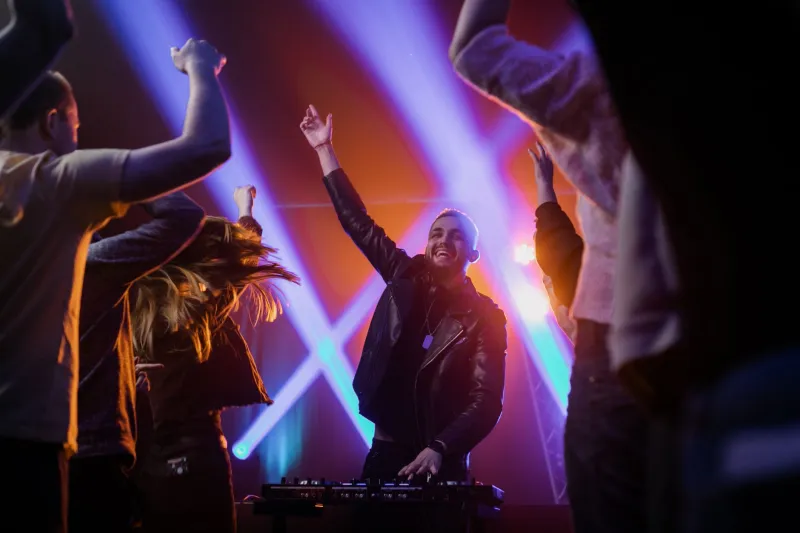
The show ends at midnight. The DJ drops the last track somewhere around 2 a.m. And then there's that specific, slightly desperate energy of a hundred people spilling out onto the sidewalk, ears still ringing, adrenaline still running, suddenly ravenously hungry. Where do you go?
If you've been part of your city's music scene for any length of time, you already have a list. It's not on Yelp. It's not in any food guide. It lives in group chats and whispered recommendations and that one friend who always seems to know exactly where to be. And the spots on that list? They're some of the most interesting food happening in the city right now.
The Food Truck That Knows Your Set List
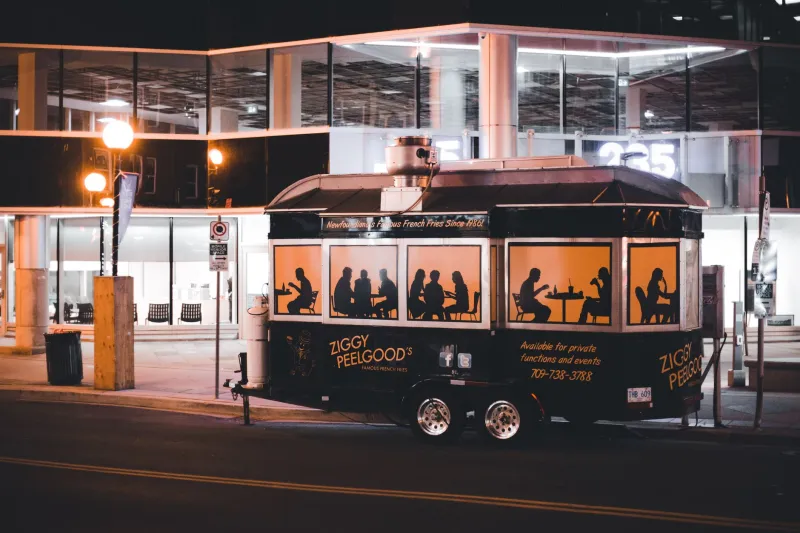
Ask any touring musician or local band member where they eat after a show, and nine times out of ten, the answer involves a food truck. Not just any food truck — the specific one that parks itself strategically near the cluster of venues in whatever neighborhood your city has designated as its unofficial music district.
These operators aren't there by accident. Many of them have built their entire business model around the post-show rush, calibrating their hours, their menus, and their locations to the rhythms of the live music calendar.
"I know when the big rooms let out. I know when the smaller clubs close. I've basically memorized the show schedules for every venue within six blocks," says Chef Darnell, who has operated his late-night smash burger truck for four years in an unnamed major metro. "My regulars aren't just hungry people — they're people who just experienced something and they need to come down from it. Food is part of that transition."
That emotional intelligence is something Darnell takes seriously. His menu is intentionally simple — three burgers, two sides, one dessert — because he's learned that people leaving a show don't want to make complicated decisions. They want something reliable, satisfying, and fast. "The music already gave them the complexity," he says. "I just give them the landing."
Speakeasy Suppers and the Supper Clubs Nobody Talks About
Beyond the trucks, a more secretive culinary scene has been quietly growing in the margins of nightlife culture. Supper clubs operating out of private homes, pop-up dinners announced only through text chains, chef-run spots tucked inside what look like ordinary storefronts — these are the places that have become genuine cultural hubs for the people who make and move your city's music.
One such spot — we'll call it The Back Room, because the chef who runs it prefers to keep the actual name close to the vest — operates out of a converted townhouse three nights a week, starting at midnight. There's no sign. There's a doorbell. The menu changes based on what's available and what the chef feels like cooking.
"It started because I was feeding musicians after sessions," explains the chef, who spent years cooking in fine dining before burning out on the traditional restaurant grind. "Then friends of friends started showing up. Then I started charging. Now I've got a waitlist and I still don't have a website."
The food is serious — composed plates, thoughtful sourcing, technique that would hold its own in any white-tablecloth room — but the atmosphere is anything but formal. Guests eat at communal tables. Conversation flows between strangers. Musicians, producers, venue staff, and dedicated music fans end up sharing meals and, inevitably, stories.
"The best conversations I've ever heard happened in that dining room after 1 a.m.," says a regular who works in artist management. "You get people in a specific headspace after a show — they're open in a way they're not at normal dinner hours. Something about the late night and the food together just loosens people up."
The Chef-Owned Spots That Get It
Not every late-night gem is underground. Some of the most chef-driven, thoughtfully curated spots in the city have built their entire identity around the music crowd — and they're doing it with full kitchens, real menus, and an atmosphere that feels like an extension of the venues themselves.
Think of the ramen spot that stays open until 4 a.m. on weekends, where the playlist sounds like it was curated by someone who actually goes to shows. Or the taqueria that has a full bar, a sound system that hits harder than most clubs, and a kitchen that doesn't slow down until sunrise. These places understand that the music crowd isn't just a late-night demographic — it's a community with specific values around sound, atmosphere, and authenticity.
"We're not trying to be a restaurant that's open late," says one chef-owner whose spot has become a go-to for the touring circuit in his city. "We're trying to be a place that belongs to this scene. That means the food has to be good, the music has to be right, and the vibe has to feel earned. You can't fake that for the music crowd — they'll know immediately."
His spot hosts occasional late-night DJ sets, collaborates with local record stores on listening events, and has become an unofficial meeting ground for the city's creative class. The food — elevated Southern comfort, locally sourced — is consistently excellent, but regulars will tell you it's the feeling of the place that keeps them coming back.
Why This Matters Beyond the Meal
What's happening in these kitchens and parking lots and converted townhouses is about more than feeding people. Late-night food culture is one of the last genuinely organic forms of community-building left in city life. These spots don't have algorithms deciding who walks through the door. They don't have cover charges or dress codes. They have good food, the right hours, and a shared understanding of what the night means to the people who live it.
In a city where venues are closing, rents are climbing, and nightlife is getting increasingly corporatized, the spots that feed the music crowd after dark are holding something important together. They're the connective tissue between the show and the morning after — the place where the night gets processed, where connections get made, where the music keeps playing even after the PA gets switched off.
So next time the lights come up and the crowd pours out, don't just head home. Follow the people who look like they know where they're going. Chances are, the best part of the night is still ahead.