Last Venue Standing: What Happens to a Neighborhood When Its Music Spots Can't Afford to Stay
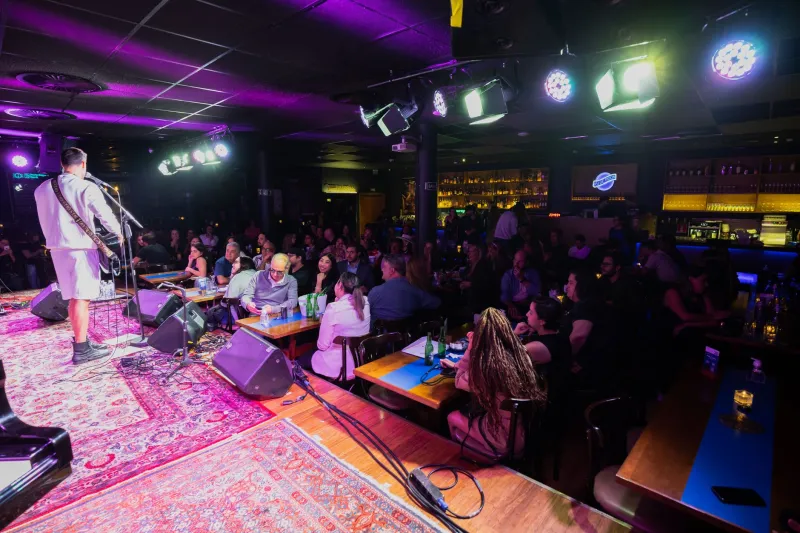
There's a bar in a neighborhood we'll call Eastside — because every city has one — that has been hosting live music for 23 years. The floors are sticky. The sound system has been jury-rigged so many times it's basically a different machine than what was installed in 2001. The bathrooms are a conversation piece for all the wrong reasons. And on any given Friday, it's the most alive room in the city.
The owner, a guy named Pete who bought the place in his early 30s with a small inheritance and a lot of nerve, has been fielding calls from developers for the better part of four years. The neighborhood has changed around him. The taco spot next door became a craft cocktail bar. The auto shop across the street is now a co-working space with exposed brick and a cold brew tap. Pete's place sticks out like a sore thumb — which, depending on who you ask, is exactly the point.
"This block used to be where people actually lived," he says, wiping down the bar on a slow Wednesday afternoon. "Musicians, artists, people working two jobs. They came here because it was theirs. Now I got people coming in asking if we do bottle service. I don't even know what to say to them."
The Venue as a Mirror
Music venues have always been more than just rooms with stages. They're social infrastructure — places where subcultures form, where local identity gets tested and reinforced, where the unofficial history of a neighborhood gets written one set at a time. When urban development starts reshaping a community, the fate of its music spots often tells you more about what's really happening than any real estate report could.
The dynamic is circular and brutal. A neighborhood with a raw, creative energy attracts artists and musicians, who open or sustain venues, which draw audiences, which attract press and attention, which make the area seem interesting, which draws developers, which drives up property values, which prices out the artists, which hollows out the creative energy. Repeat until there's a Sweetgreen where the rehearsal space used to be.
Dr. Alicia Fernandez, an urban studies professor who has spent years researching the relationship between arts spaces and neighborhood change, describes venues as "cultural anchors" that often signal the beginning of a transformation long before the coffee shops and boutique gyms arrive.
"A lot of the time, the venue is actually part of the first wave of gentrification without meaning to be," she explains. "It makes the neighborhood feel cool and safe enough for the next wave of investment. And then that investment is what eventually kills the venue. It's genuinely tragic, and it's also kind of ironic."
Who Gets to Decide What a Neighborhood Sounds Like
The tension isn't just economic. It's about who has the authority to define what a place is and what it's for.
In neighborhoods across cities like Chicago, Atlanta, Philadelphia, and Los Angeles, longtime residents have watched music venues serve as both community gathering spaces and, eventually, as magnets for a demographic that didn't grow up there. A Black-owned jazz bar in a historically Black neighborhood that starts drawing predominantly white audiences from across the city isn't just a business story — it's a complicated cultural negotiation happening in real time, every weekend.
Marcus Webb, who manages a small R&B and soul venue on the south side of a major city, has been watching this play out for years. His club has a loyal local following, but as the neighborhood has gentrified around him, he's noticed the crowd shifting.
"The people who built this place into what it is — they're still here, but they're not always comfortable anymore," he says. "And the new folks coming in, they love the vibe, but they don't always understand what the vibe is built on. It's a weird thing to manage."
He's tried to stay intentional about programming, booking artists who reflect the neighborhood's roots even as the audience demographics evolve. It's a tightrope walk with no obvious right answer.
When the Trendy Phase Ends
Sometimes a venue survives gentrification by getting absorbed into it — rebranded, renovated, repositioned for a wealthier clientele. The sticky floors get replaced. The sound system gets a real upgrade. The prices go up. The old regulars drift away.
Whether that counts as survival is a matter of perspective.
Then there are the venues that don't make it at all. The ones that close not because they failed but because the ground shifted beneath them. A lease that doesn't get renewed. A noise complaint campaign from new condo residents who moved in next to a 20-year-old music venue and then complained about the music. A property tax reassessment that makes the math impossible.
When those spots close, the loss is rarely just a business closing. It's a community losing a room where something real happened — where bands played their first shows, where people met the people they'd eventually marry, where the neighborhood worked out its identity in public, loudly, over a few drinks.
"You can't just replace that," says longtime patron Carmen Díaz, who has been going to the same East LA venue since she was 19. "People act like another bar will just open and it'll be fine. But it's not fine. The new places don't have the history. They don't have the ghosts."
Holding the Line — or Trying To
Some venue owners are getting creative about how to hold on. Nonprofit models. Community land trusts. Crowdfunding campaigns that tap their loyal audiences directly. A few cities have started cultural preservation designations specifically for music venues — New York's "NYC Music Venue Preservation" initiative and Austin's ongoing debates about protecting its live music identity being notable examples. It's not enough, but it's something.
Pete, back at his Eastside bar, hasn't figured out his long-term plan yet. His lease is up in 18 months. The developer calls keep coming. He's not sure what he'll do.
"I keep thinking about all the bands that played here on their way up," he says. "All the people who had their first real night out here. You can't put a number on that. But somebody's going to try."
The city keeps changing. The music keeps playing. For now.