Who Actually Gets to Show Up? The Uncomfortable Truth About Accessibility in Your City's Venues
Here's a question that doesn't get asked enough at the local venue level: who is this space actually built for?
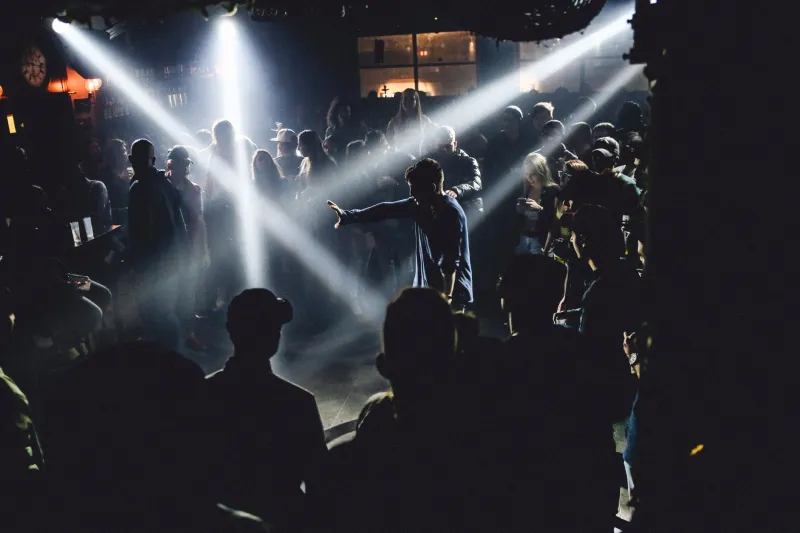
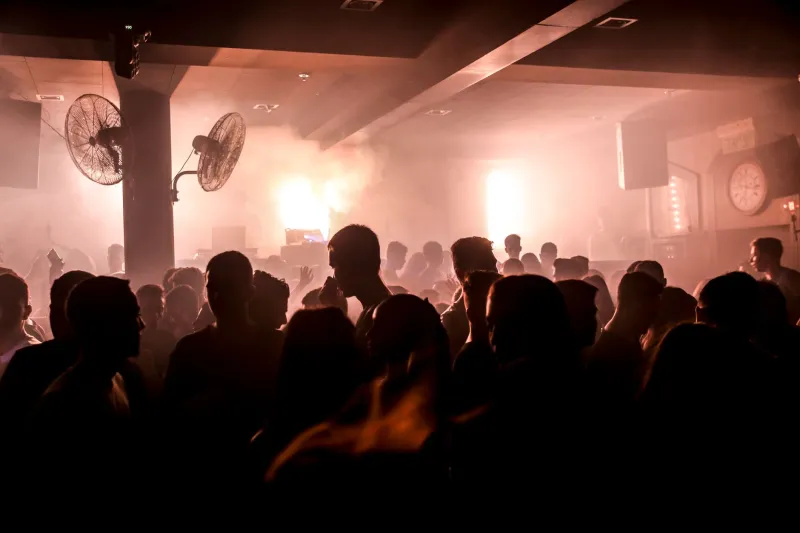
The answer, in most cases, is a pretty narrow slice of the population. Young. Able-bodied. Comfortable standing for three hours in a crowd that doesn't always leave room for personal space. Fine with stairs, with dim lighting, with sound levels that make conversation impossible, with a cash-only bar tab and a bathroom that requires navigating a narrow hallway.
For a lot of people, that description sounds like a normal night out. For a lot of others, it describes a space that was never designed with them in mind — and still hasn't been.
The Gap Between Legal and Livable
The Americans with Disabilities Act turned 34 in 2024. And yet, if you've ever tried to find a truly accessible live music venue in your city — one that goes beyond the minimum requirements — you know how wide the gap still is between what the law requires and what actually works for disabled music fans.
A ramp at the entrance checks the box. But it doesn't help if the accessible section is in the back corner with a partial sightline. A gender-neutral accessible bathroom is a legal requirement in many states. But it doesn't help if it's locked and you have to find a staff member to open it. Captions at an event are increasingly common. But they don't help if the screen is positioned where a wheelchair user can't see it without craning their neck at an uncomfortable angle.
"Compliance and accessibility are not the same thing," says one disability rights advocate who works with arts organizations in a major West Coast city. "Compliance means you did the minimum to avoid a lawsuit. Accessibility means the space actually works for the people who need it to work."
That distinction is everything — and most venues aren't having the conversation at the level they need to be.
What It Actually Costs (And What It Doesn't)
One of the most persistent myths in the venue world is that accessibility is expensive. And yes, some retrofits are costly — adding an elevator to a historic building, for instance, or rebuilding a stage with a ramp rather than a fixed-height platform. Those are real costs, and smaller venues with tight margins feel them acutely.
But a significant portion of what makes a venue inaccessible has nothing to do with construction budgets.
It costs nothing to train your staff to assist disabled guests without being condescending. It costs nothing to reserve a sightline-friendly section rather than tucking the accessible area behind a column. It costs nothing to publish clear, accurate accessibility information on your website so people can make informed decisions before they show up. It costs nothing to ask your disabled patrons what would make their experience better.
"I've been to venues that spent probably $200,000 on a sound system but couldn't tell me whether their bathroom door was wide enough for my chair," says one wheelchair user and longtime local music fan based in the South. "It's not always about money. It's about whether you thought about me when you planned the space."
Sensory-friendly programming — quieter volume levels, reduced light strobing, designated low-stimulation areas — is another area where the barrier is more about will than wallet. For autistic fans, people with sensory processing differences, or those with chronic illness, these accommodations can be the difference between being able to attend a show and not.
The Venues Getting It Right
Across the country, a small but growing number of independent venues are treating accessibility as a core value rather than an afterthought — and they're finding that it doesn't hurt their bottom line. It often helps it.
Some venues have started hosting monthly "low-sensory" nights — events with adjusted sound levels, house lights kept slightly up, and quiet rooms available for guests who need a break from the crowd. The response, by most accounts, has been overwhelmingly positive — not just from disabled attendees, but from parents with young children, older fans, and anyone who's ever wanted to enjoy live music without feeling physically overwhelmed.
Others have partnered with disability-led organizations to conduct accessibility audits — bringing in people with lived experience to walk through the venue and identify problems that staff who aren't disabled might never notice. The insights are often simple and inexpensive to fix. The impact on the people who benefit is anything but small.
"We did an audit about two years ago and honestly, it was humbling," says the owner of an independent venue in the Mid-Atlantic. "We thought we were doing pretty well. Turns out our accessible parking was technically legal but practically unusable, our 'accessible entrance' added a five-minute walk to get to the main room, and our staff had no protocol for guests with visual impairments. None of that was hard to fix. We just hadn't thought about it."
The Payment Accessibility Problem Nobody Talks About
Physical accessibility gets most of the attention, but it's not the only barrier keeping people out of live music spaces. Ticket pricing, payment methods, and fee structures create their own walls.
Cash-only venues immediately exclude anyone who doesn't carry cash — a policy that disproportionately affects lower-income fans. High ticketing fees on top of already steep ticket prices add up fast. VIP packages that bundle the best sightlines with premium pricing mean that the people who most need a good view — including many disabled fans — often have to pay more to get it.
Some venues have started offering sliding-scale ticketing or designated low-cost ticket pools for each show. Others have made accessible seating available at general admission prices rather than charging a premium. These aren't radical moves. They're choices about who you're deciding to let in.
The Broader Conversation
Disability justice in nightlife isn't a niche issue. It's a lens that, when applied seriously, forces venues to ask fundamental questions about who they're building community for and who they're leaving out.
Your city's music scene is only as vibrant as the full range of people it includes. And right now, for too many people, the doors are technically open — they're just not actually open.
The venues willing to close that gap aren't just doing the right thing. They're building audiences that are more loyal, more diverse, and more invested in the scene than any algorithm or influencer campaign could manufacture. That's not charity. That's just good sense.